
Jonathan Project Blogs

In parrocchia a Portici col gruppo Nicodemo nel laboratorio su linguaggio e relazioni

Le parole possono creare appartenenza oppure ferire ed escludere. Ne abbiamo parlato nella parrocchia dei Sacri Cuori di Gesù e Maria a Portici (Napoli), che ha ospitato la ripresa dei laboratori di ascolto e dialogo del Gruppo Nicodemo Campania – Pastorale d’Inclusione, approfondendo identità di genere, orientamento affettivo e sessuale, esperienze cisgender, transgender e non binarie.

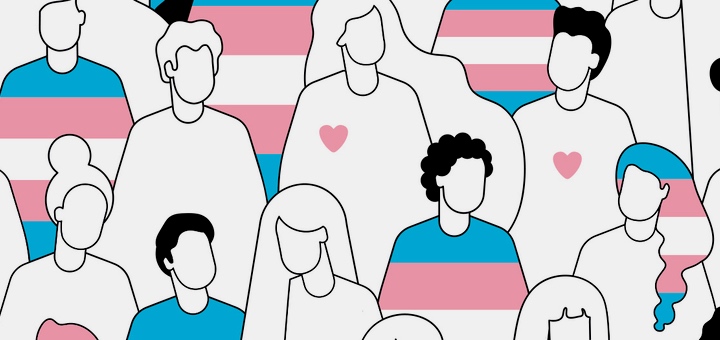
I santi transgender nella storia della Chiesa cattolica. Una santità che supera i confini del genere

La storia della Chiesa cattolica è ricca di santi che hanno sfidato i confini del genere: da san Marino a sant’Eufrosina, da santa Vilgeforte a Giovanna d’Arco. Persone che hanno vissuto oltre le convenzioni del proprio tempo, talvolta pagando un prezzo altissimo. Storie sorprendenti e spesso dimenticate, che ci invitano a riscoprire una santità fuori dagli schemi.

Bibbia e persone transgender

Alcuni cristiani ritengono erroneamente che prendere la Bibbia sul serio implichi opporsi all’esistenza delle persone transgender a qualunque gruppo sociale e a qualunque tradizione cristiana appartengano. Cerchiamo invece di riscoprire le basi bibliche per la loro piena inclusione nella vita delle nostre comunità cristiana.

«Queer Saints». Da san Francesco a Tina Turner, la santità fuori dagli schemi

Secondo Pagliarulo molte persone LGBTQ+ cattoliche sono state escluse e rifiutate negli ambienti religiosi, e sostiene che la pratica devozionale comincia con il riconoscimento della propria intrinseca dignità: “La prima cosa da fare prima di decidere di lavorare con questi santi, è comprendere che non devi elemosinare nulla, perché sei già degno di ricevere e vivere un miracolo”.

Tharsèi… fatti coraggio!

La prova più grande, oggi, non è trovare un coraggio che sento di non avere, ma smettere di cercarlo dentro di me e lasciarmi dire ancora una volta quella parola antica: Tharsèi… fatti coraggio.

“Il sabato è per l’uomo”. E le regole per chi sono?  (Marco 2,23–3,12)

Un cammino che comincia in un campo di grano, fa tappa in una sinagoga per terminare sulla riva del mare. È il percorso che abbiamo percorso con la lectio online del 12 novembre 2026, con i volontari dell’associazione l’Arca della Misericordia di Bologna, leggendo insieme il vangelo di Marco 2,23–3,12. Così il Vangelo, che è passato attraverso le nostre voci, è diventato un pezzo di strada condivisa.

New wine breaks old wineskins. What if it was our religiosity that suffocated the Gospel? (Mk 2,18-22)

How many LGBTQ+ people have learned to live their faith above all through renunciation, sacrifice, guilt and the idea of ​​having to continually fight a part of themselves? How many times were they told that loving necessarily meant giving up love, that being faithful to God meant hiding one's identity? But Jesus introduces an element that we risk forgetting: joy.

Guests in your own home. When does the language of welcome in churches exclude LGBTQ+ people?

“Queer people have always been and continue to be part of the Churches.” It is one of the central Reflections Of jonas trochemowitz, a german linguist who, in his doctoral research, studied the relationship between queer identity and christian faith, to understand how the alleged contradictions between faith and LGBTQ+ identity are constructed through religious language and concretely addressed in christian communities.

“I know that God loves our love too.” Gay couples and blessings in the German Catholic Church

Article by Monika Willer published in the Westfalenpost newspaper (Germany) on 7 November 2026, p.5. Freely translated and adapted by the volunteers of the Gionata Project André Stielicke, 42 years old, a chef and restaurateur from Winterberg, Germany, entered the Catholic Church at 34, despite knowing that this institution had a problem with LGBTQ+ people. Today he runs a restaurant in Brilon...

“Which side would christ Be on Today?”. the story Of ariadna, colombia's first trans Pastor

For years Ariadna has lived the same story as many LGBTQ+ believing people, who encounter discrimination precisely when they are looking for a community of faith in which they feel welcomed. After several meetings gone wrong, Ariadna, 31, has finally found a place to live her spirituality. A few days ago she was consecrated as the first trans pastor of the Colombian Methodist Church.